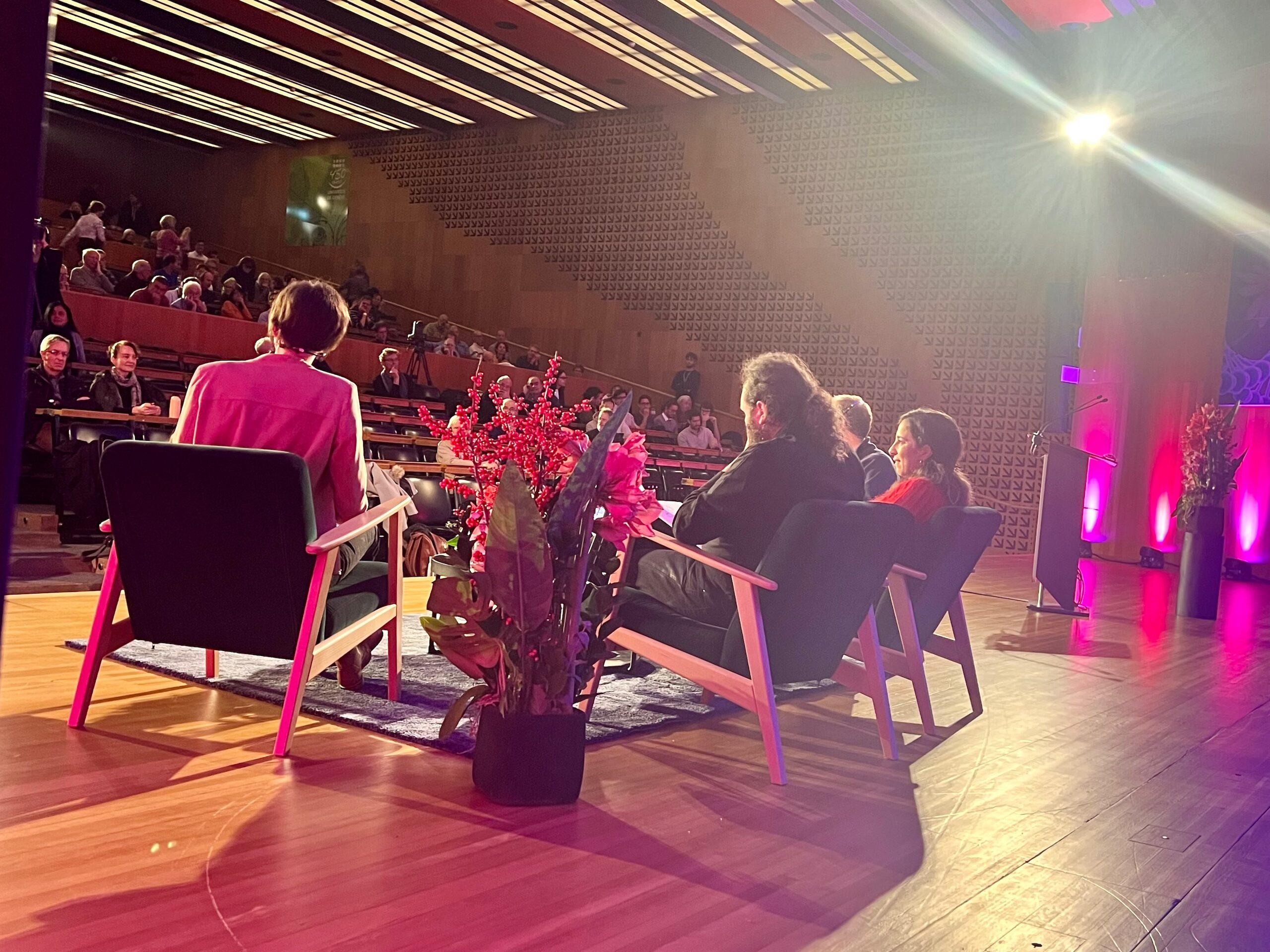
What is intelligence? How does it arise, develop and manifest itself in living beings, in human societies and, now, in artificial systems? Long regarded as a capacity unique to the human mind, intelligence is now understood as a multifaceted phenomenon, the study of which draws on neuroscience, biology, psychology, cognitive science, philosophy and computer science.
Through five exceptional lectures featuring some of the most eminent researchers in their fields, this series offers a journey into the heart of the mechanisms that make thought, memory, decision-making and consciousness possible. From the neurons that make up our brains to the collective dynamics that emerge in animal groups and human societies, from the memories that shape our identity to the artificial intelligence systems that are already transforming our daily lives, these lectures offer a interdisciplinary exploration of the very nature of the mind.
The week will begin with Sophie Scott, who will explore the foundations of human
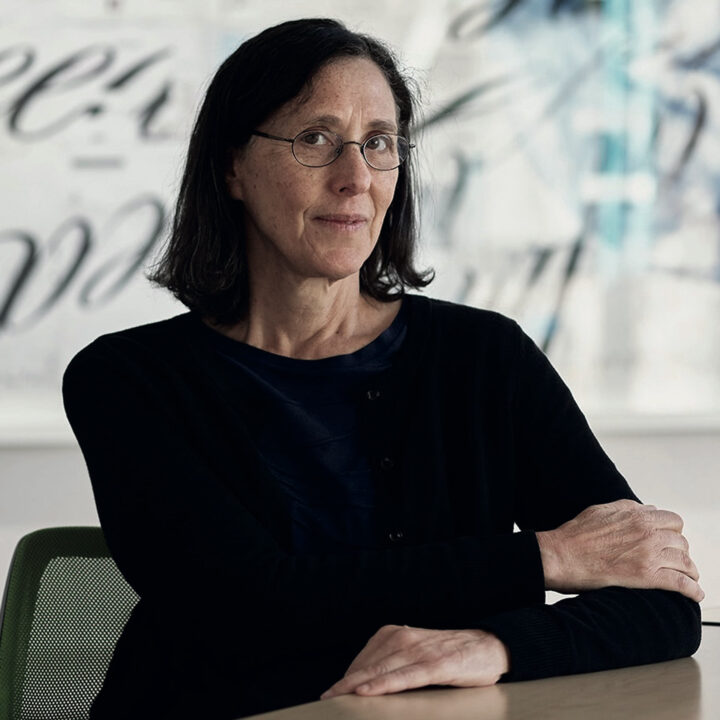
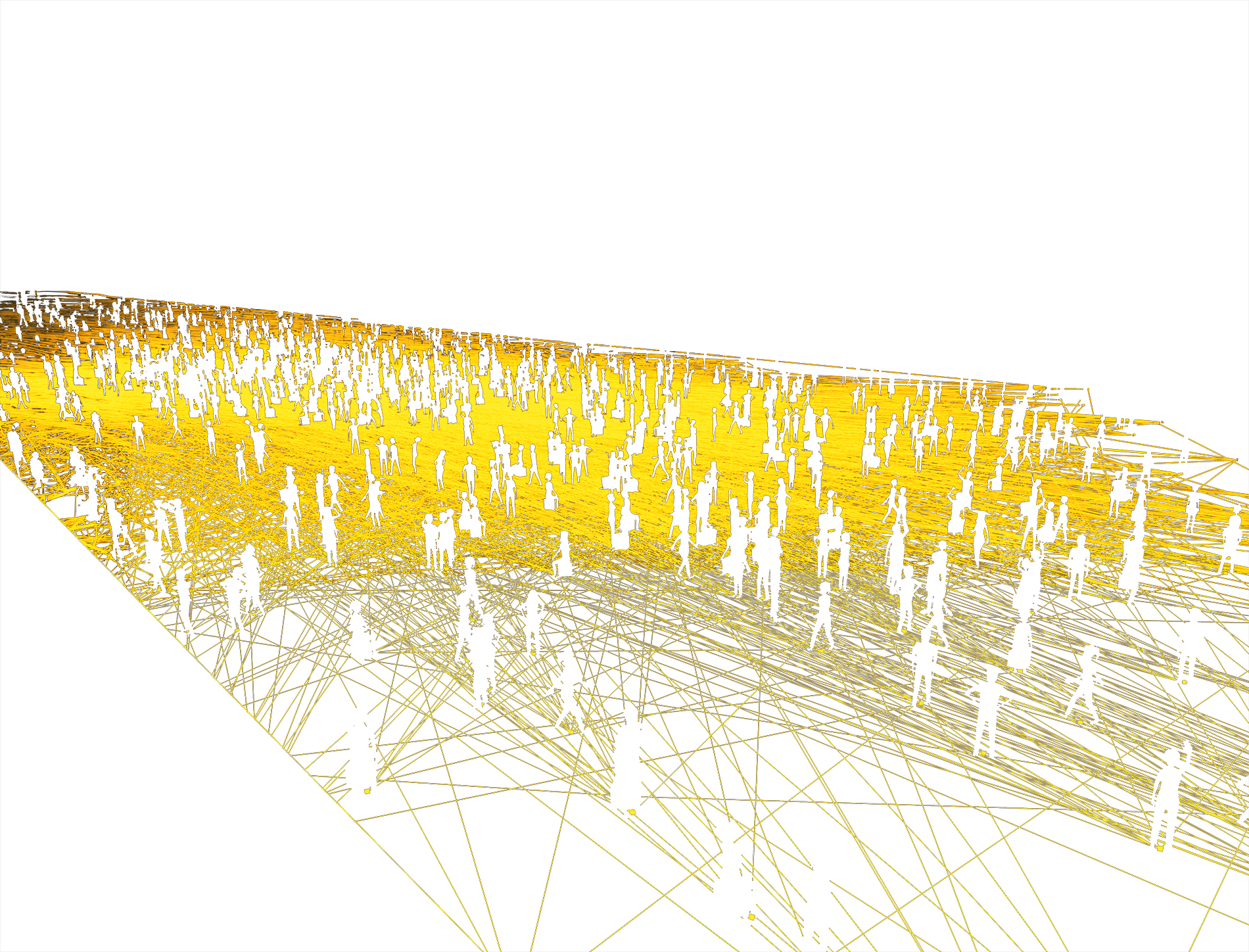
intelligence and the development of the remarkable cognitive abilities that characterise our species. Sheena Josselyn will then guide us into the depths of memory, revealing how our experiences are transformed into lasting memories and shape who we are. With Iain D. Couzin, our focus will broaden to collective intelligence, that astonishing ability of groups, whether schools of fish, flocks of birds, swarms of insects or human crowds, to perceive, decide and act together without a visible leader.
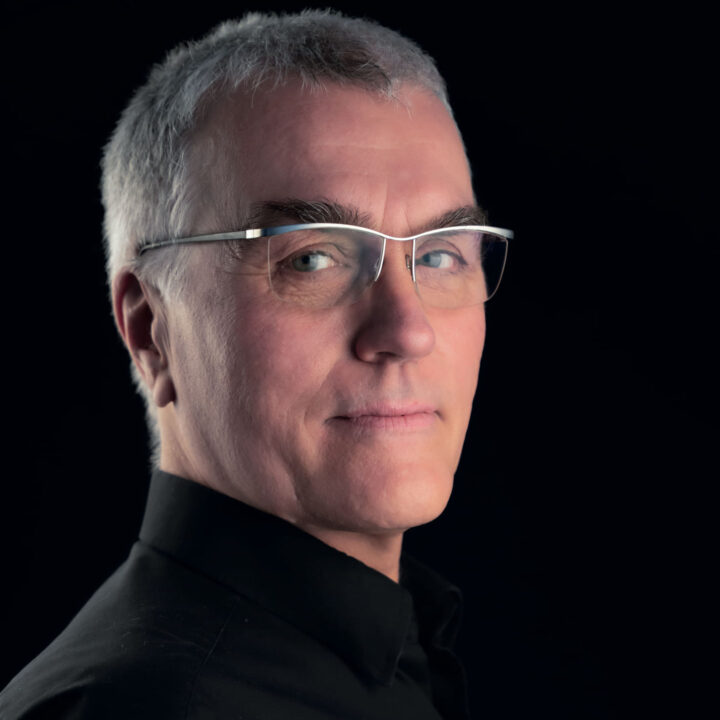
The fourth lecture, delivered by Melanie Mitchell, will focus on artificial intelligence: how it works, its limitations and the challenges it poses to our societies. Finally, Thomas Metzinger will bring this series to a close by launching an ambitious exploration of the links between intelligence, consciousness and the future of the mind, at a time when the boundaries between natural, collective and artificial intelligence are becoming increasingly blurred.
As these discussions unfold, a fundamental question emerges: is intelligence a property of the individual brain, the product of collective interactions, a cultural emergence, or a phenomenon capable of existing in machines? By bringing together different approaches and disciplines, this edition of the Wright colloquium invites everyone to rethink what makes the human mind unique and to reflect on the new forms of intelligence that are already shaping our future.